
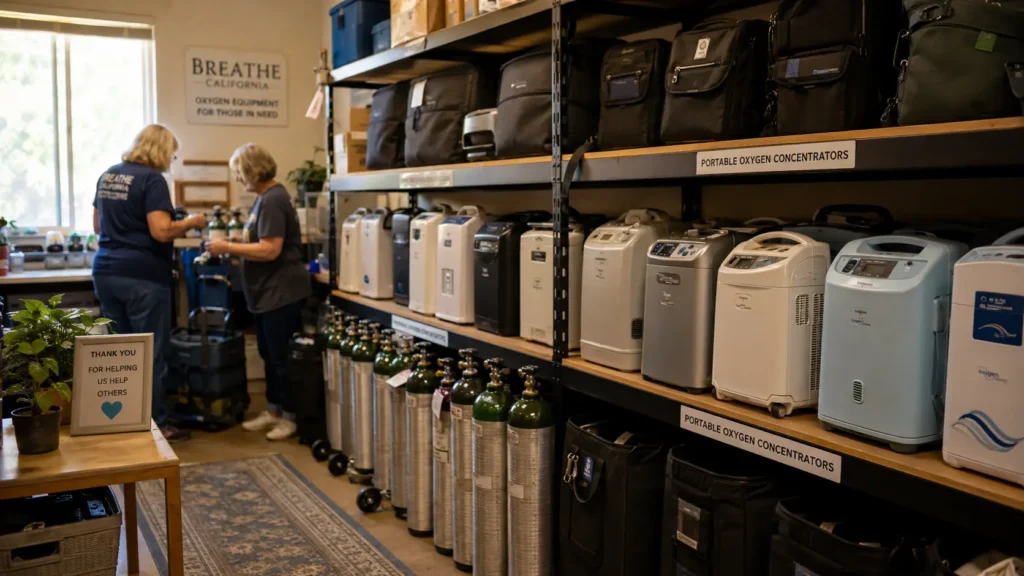
Oxygen Bank: How These Programs Help US Patients Breathe
If a doctor just told you or a family member needs supplemental oxygen, the price tag on a concentrator or a month of tank refills can be a shock. This is where an oxygen bank comes in. An oxygen bank is a lending program, usually run by a nonprofit, hospice organization, church group, or local health agency, that provides oxygen concentrators and related supplies to patients who cannot afford to buy or rent their own equipment.
Unlike a durable medical equipment (DME) supplier, which sells or rents oxygen equipment as a business, an oxygen bank operates more like a lending library. Patients borrow a concentrator, use it for as long as they need it under a doctor’s care, and return it when they no longer require oxygen therapy or when a loved one passes away and the family donates the unit back for someone else to use.
Why Oxygen Banks Exist
Home oxygen therapy is not cheap. A new portable oxygen concentrator can cost between 1,500 and 3,000 dollars, and stationary units run similarly high. Even with insurance, many patients face rental fees, copays, or coverage gaps that leave them scrambling. Medicare typically covers home oxygen equipment under Part B once a doctor documents medical necessity, but the approval process takes time, and not every patient qualifies right away.
Oxygen banks fill that gap. They exist because volunteers and former caregivers noticed a recurring problem: patients discharged from the hospital with an oxygen prescription but no immediate way to pay for equipment, and grieving families left holding a concentrator that a deceased loved one no longer needs. Connecting those two groups became the entire model.
Many oxygen banks grew out of hospice programs, since hospice patients often use oxygen only for weeks or months. Rather than see that equipment sit in a closet, families donate it so someone else in the community can use it immediately, often at no cost or for a small refurbishment fee.
Who Typically Needs an Oxygen Bank
Not everyone who needs oxygen therapy needs a bank. Patients with strong insurance coverage, including many Medicare Advantage and private plans, can usually get equipment through a standard DME supplier without a long wait. Oxygen banks serve a specific group of people who fall through the cracks.
1. Uninsured or Underinsured Patients
People between jobs, gig workers, or those on high-deductible plans sometimes cannot afford the out-of-pocket rental cost even when insurance eventually pays part of the bill. An oxygen bank can bridge that gap while paperwork is processed.
2. Patients Waiting on Medicare or Medicaid Approval
Medicare oxygen coverage requires specific documentation, including blood oxygen saturation levels recorded through a qualifying test. Approval can take one to several weeks. A patient who needs oxygen the day they leave the hospital cannot wait that long, so a bank loan bridges the gap until benefits kick in.
3. Hospice and End-of-Life Care Families
Hospice care already includes equipment coverage in most cases, but rural or under-resourced hospice programs sometimes rely on community oxygen banks to supplement what they can provide directly, especially during equipment shortages.
4. Travelers and Snowbirds
Some retirees who split time between two states need a second concentrator so they are not shipping heavy equipment back and forth. A regional oxygen bank in their winter or summer location can lend a backup unit for the season.

How an Oxygen Bank Works, Step by Step
The process varies slightly by organization, but most oxygen banks follow a similar pattern.
1. Get a Prescription
You need a documented prescription from a licensed physician stating the diagnosis, the required flow rate in liters per minute, and whether oxygen is needed continuously, during sleep, or during exertion. Oxygen banks will not lend equipment without this, since supplemental oxygen at the wrong flow rate can be dangerous.
2. Contact a Local Bank or Referral Source
Search for oxygen banks connected to local hospitals, hospice agencies, churches, Lions Clubs, or county health departments. A hospital discharge planner or social worker often knows which local programs currently have equipment available.
3. Complete an Intake Form
Most programs ask for basic financial information, proof of the prescription, and sometimes a short home safety check to confirm the space has proper ventilation and no open flames nearby.
4. Receive and Set Up the Equipment
Volunteers or a respiratory therapist affiliated with the program typically deliver the unit or arrange pickup, walk the patient through setup, and explain flow rate settings, alarms, and basic maintenance.
5. Return or Donate When Finished
When the patient no longer needs oxygen, the equipment goes back to the bank for cleaning, filter replacement, and redistribution to the next person on the waiting list.
What Equipment Oxygen Banks Typically Provide
1. Portable Oxygen Concentrators
These battery powered units pull oxygen from room air rather than storing it, which means no refills and no risk of an empty tank. They are the most requested item at most banks because they let patients stay mobile.
2. Stationary Concentrators
Larger, plug-in units designed for home use, usually placed in a bedroom or living room, often paired with long tubing so the patient can move between rooms.
3. Compressed Oxygen Tanks and Regulators
Some banks still carry steel or aluminum tanks with regulators for patients who need backup oxygen during power outages or travel, though tanks require refills from a certified supplier.
4. Accessories
Nasal cannulas, tubing, humidifier bottles, and carrying bags are usually included, though these are often single-use items provided new rather than reused equipment.
Cost: Is an Oxygen Bank Really Free?
Most community oxygen banks lend equipment at no charge, though some ask for a refundable deposit or a small donation to cover cleaning and filter replacement, typically in the 20 to 75 dollar range. This is dramatically cheaper than a retail concentrator purchase or a monthly DME rental, which can run 150 to 300 dollars a month without insurance.
It is worth noting that oxygen banks generally do not provide ongoing medical supervision. Patients still need a physician managing their care, periodic pulse oximetry checks, and a plan for what happens if their condition changes and they need a higher flow rate or a different type of equipment than the bank has available.
How Oxygen Banks Differ from Medicare and Insurance Coverage
Medicare Part B covers home oxygen equipment as durable medical equipment when a doctor certifies medical necessity, typically documented through an arterial blood gas or pulse oximetry test showing oxygen saturation at or below a specific threshold. Once approved, Medicare generally covers the equipment under a rental agreement with the supplier, and after a set rental period, ownership terms depend on the type of equipment and current Medicare rules at the time of service.

An oxygen bank does not replace this coverage. Instead, it acts as a bridge while approval is pending, a backup when Medicare’s approved supplier list does not include the equipment type a patient needs, or a resource for people who do not qualify for Medicare or Medicaid at all. Anyone with insurance should still pursue that coverage in parallel with contacting a bank, since long-term equipment needs are usually better served by an insured DME arrangement with ongoing clinical support.
How to Find an Oxygen Bank Near You
There is no single national directory, since most programs are local and volunteer-run. A few reliable starting points work well across the USA.
Ask a hospital discharge planner or hospice social worker directly, since they coordinate with local equipment loan closets regularly. Search for “medical equipment loan closet” alongside your city or county name, since many of these organizations lend oxygen concentrators along with wheelchairs, walkers, and hospital beds. Contact local Lions Clubs, since several chapters across the country run oxygen equipment lending programs as part of their health mission. Call your county Area Agency on Aging, which often maintains a list of local equipment loan resources for seniors. Reach out to a nearby church or faith-based charity, since many maintain informal medical equipment closets funded through donations.
Safety Considerations When Using Borrowed Oxygen Equipment
Supplemental oxygen is not inherently dangerous, but it increases fire risk because it supports combustion. Keep any oxygen device at least ten feet from open flames, gas stoves, candles, or lit cigarettes. Never use petroleum-based products like Vaseline near the nasal cannula, since oxygen makes them flammable. Have working smoke detectors in the home and post a small sign near the front door alerting emergency responders that oxygen equipment is in use.
Since borrowed equipment has a prior owner, ask whether the bank has cleaned and serviced the concentrator, including filter replacement, before use. A reputable oxygen bank will document this and provide a manual or basic instructions along with the unit. If a concentrator sounds unusually loud, produces a burning smell, or the oxygen purity alarm activates repeatedly, stop using it and contact the bank or a respiratory equipment technician immediately.
When to Move Beyond an Oxygen Bank
An oxygen bank works well as a short-term or bridge solution. It is not the right fit for patients whose condition is likely to require oxygen therapy for years, since community programs often cannot guarantee long-term equipment availability, refill logistics, or the same unit if it needs replacement. In that situation, working with a physician to secure long-term Medicare, Medicaid, or private insurance coverage through a licensed DME supplier gives more consistent support, including 24-hour equipment troubleshooting and a clear maintenance schedule.

Patients whose oxygen needs increase significantly, such as those requiring high-flow therapy or BiPAP support alongside oxygen, also typically need equipment and monitoring beyond what a volunteer-run bank can provide. In these cases, the bank can still serve as an emergency backup while a more permanent medical equipment plan is arranged.
