Get Paid to Write Reviews for Amazon: Real Ways
You cannot get paid cash directly by Amazon to write reviews on Amazon.com. Amazon’s own Vine program pays reviewers in free products, not money, and federal law now makes paid five-star reviews illegal. What you can do is get paid, in real dollars, to write product reviews and testing reports for other companies, freelance clients, and review platforms, some of which happen to focus on products sold on Amazon.
This guide separates the two paths clearly: the free-product route through Amazon itself, and the actual paid routes through freelance work, testing platforms, and blogging. It also covers the legal line you do not want to cross, since the Federal Trade Commission finalized a rule in 2024 that specifically bans paying for positive or negative reviews.
Amazon Vine: Free Products, Not Cash
Amazon Vine is the only review arrangement Amazon itself sanctions, and it pays in merchandise, not money. Amazon invites shoppers it calls Vine Voices, chosen for writing useful reviews, and they order eligible products free of charge, with Amazon stating those reviewers are not paid and are expected to leave honest, unbiased opinions.
Vine is invite-only. You cannot apply for it directly. Amazon selects reviewers based on their track record of helpful, verified reviews already posted on the platform, and it rotates people out when their reviews stop being useful. Building a normal, honest reviewing habit on products you actually buy is the closest thing to a path in.
The badge matters more than people expect. Vine reviews carry a visible green label marking them as a review of a free product, and shoppers notice that label. If you end up in the program, treat it as a way to try new products for free and build a public reviewer profile, not as an income source.
Why You Cannot Get Paid Cash for Amazon Reviews
This is the part most “get paid to review on Amazon” ads skip. Amazon’s Community Guidelines prohibit compensation for reviews outside of the Vine free-product exchange, and federal law backs that up. The Federal Trade Commission’s final rule, effective October 21, 2024, bans marketers from using fake reviews and prohibits companies from paying for either positive or negative reviews.
The rule has teeth. Companies that violate it face civil penalties of just over fifty-three thousand dollars per violation as of 2025. In December 2025, the FTC sent its first wave of warning letters under the rule to ten companies over how they moderate and curate reviews. If you see a Facebook group or Telegram channel offering to pay you for a five-star Amazon review, or to refund your purchase for one, that arrangement violates both Amazon’s terms and federal law, and it puts your Amazon account at risk of a permanent ban.
That does not mean paid review writing is off the table. It means the paycheck comes from somewhere other than Amazon itself.
Freelance Product Review Writing for Blogs and Sites
The biggest real paycheck in this space comes from writing reviews for other companies’ websites, not for Amazon’s review section. Publishers that run buying guides, comparison articles, and “best of” roundups hire freelance writers specifically because those articles need someone who actually tests or researches the products in depth.
Look for content agencies, product review blogs, and niche publications in categories you already know well, such as home fitness gear, kitchen tools, or tech accessories. Pitch them directly with two or three sample reviews you have written on your own, even unpaid ones on a personal blog, since editors want proof you can describe a product’s real strengths and flaws without sounding like marketing copy.
Rates vary widely by publication and experience level. New freelance review writers commonly start in the fifty to one hundred fifty dollar range per article, while writers with a track record and a recognizable byline can charge several hundred dollars for a well-researched comparison piece.
Becoming an Amazon Affiliate and Writing Your Own Reviews
Instead of getting paid per review, you can build a site or newsletter of your own and earn commission when readers buy through your links. The Amazon Associates program pays a percentage of qualifying purchases, and category rates differ, so check the current rate card before picking a niche. Another route for monetizing your own site is affiliate marketing, where the income comes from qualifying sales rather than individual review payments.
This route takes longer to pay off than a one-time freelance gig, since you need traffic before commissions add up. It rewards the same skill the FTC rule protects: honest, first-hand testing that readers trust enough to click through and buy. A reviewer who buys the product themselves, photographs it in use, and writes about specific flaws alongside the positives tends to convert better than a generic spec rundown.
Paid User Testing and Product Feedback Platforms
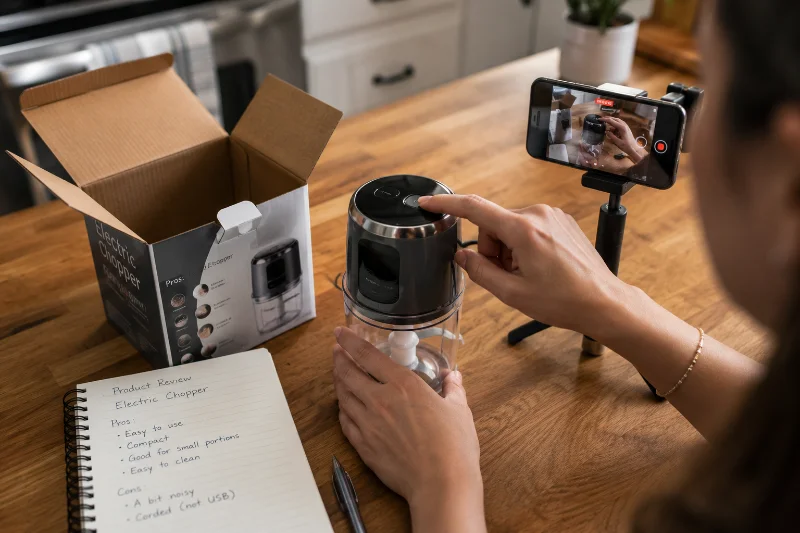
A related and often overlooked option is paid usability and product testing, where companies pay you to try a product or website and record your honest reaction, sometimes as a written report and sometimes as a short video. Platforms like UserTesting and Respondent connect everyday users with companies that need that feedback, and pay per completed test rather than per review.
These are not Amazon reviews in the traditional sense, but many assignments involve testing physical products that are also sold on Amazon, unboxing experiences, or e-commerce checkout flows. Pay per test commonly runs from ten to sixty dollars depending on length and complexity, paid directly to you rather than in free merchandise.
Review Writing Gigs on Freelance Marketplaces
General freelance marketplaces regularly list review writing and content writing gigs, some of which specifically ask for Amazon product research and comparison content for client blogs or Amazon storefront A+ content. Search listings for terms like “product review writer,” “comparison article,” or “buying guide writer” rather than “Amazon review,” since the latter search term attracts a lot of the scam-adjacent postings described above.
Vet any listing that asks you to create an Amazon account, buy a product, post a review, and then get reimbursed with a bonus. That structure is exactly what the 2024 FTC rule and Amazon’s own policy both prohibit, and it is the client’s liability as well as yours if it goes wrong.
What to Avoid: Fake and Incentivized Reviews
Amazon changed its Community Guidelines to eliminate incentivized reviews, except for those coming through its own Vine program, which keeps the seller from choosing or influencing the reviewer. Any offer that pays you cash, a gift card, or a refund specifically for posting an Amazon review, positive or otherwise, breaks that rule.
The FTC’s final rule also targets reviews from people who do not exist, including AI-generated fake reviews, and it applies whether a business writes them directly or buys them from someone else. Using an AI tool to mass-produce Amazon reviews for products you never touched falls squarely into that ban. Stick to reviewing products you have genuinely used, and keep the paid work on platforms and clients that pay you for the writing itself, not for the star rating you promise in advance.
How Much You Can Realistically Earn
There is no single number here, since the routes above pay very differently. Freelance review articles for established blogs tend to be the highest per-piece rate for beginners with some writing samples. Paid user testing pays less per assignment but turns around faster and needs no portfolio to start. Affiliate review sites pay nothing at first and can eventually outearn both, once traffic builds.

A realistic starting expectation for someone working a few hours a week is somewhere between one hundred and four hundred dollars a month across freelance gigs and testing platforms in the first few months, growing from there as you build a portfolio, faster turnaround, and repeat clients.
Getting Started This Week
Pick one lane first instead of spreading effort across all four. If you already write well and know a product category, pitch three review blogs with two sample articles. If you want faster, smaller payouts with less writing, sign up for a paid testing platform and complete a few starter assignments to build your rating.
Either way, keep a simple portfolio, even a free blog or a shared Google Doc, showing two or three of your best product write-ups. That single asset does more to land paid work than any amount of cold outreach without proof of your writing.
